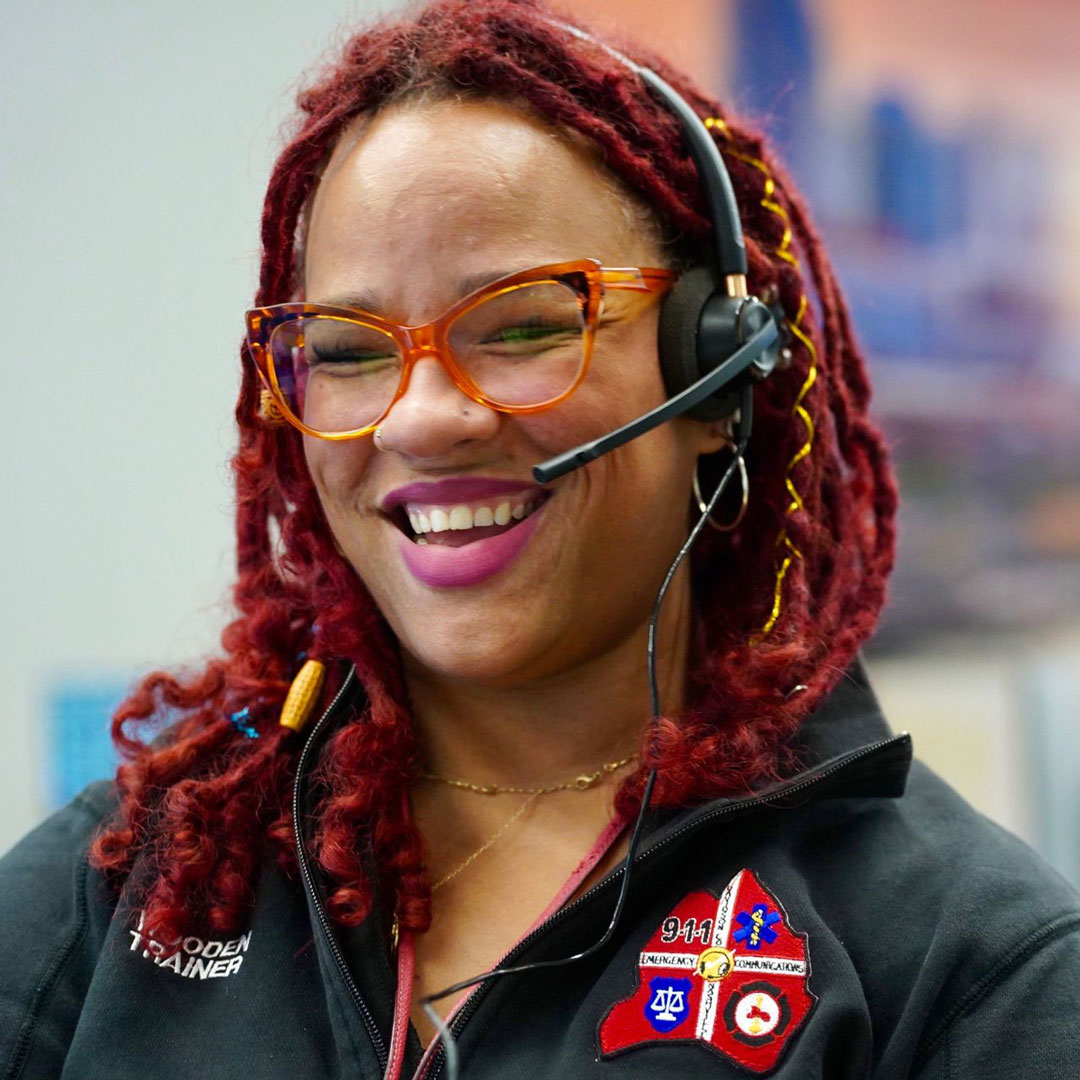
On October 26, 2023, the Metro Nashville Department of Emergency Communications received a 9-1-1 call from a male who was driving his pregnant wife to the hospital.
Standards Working Groups Seeking Members
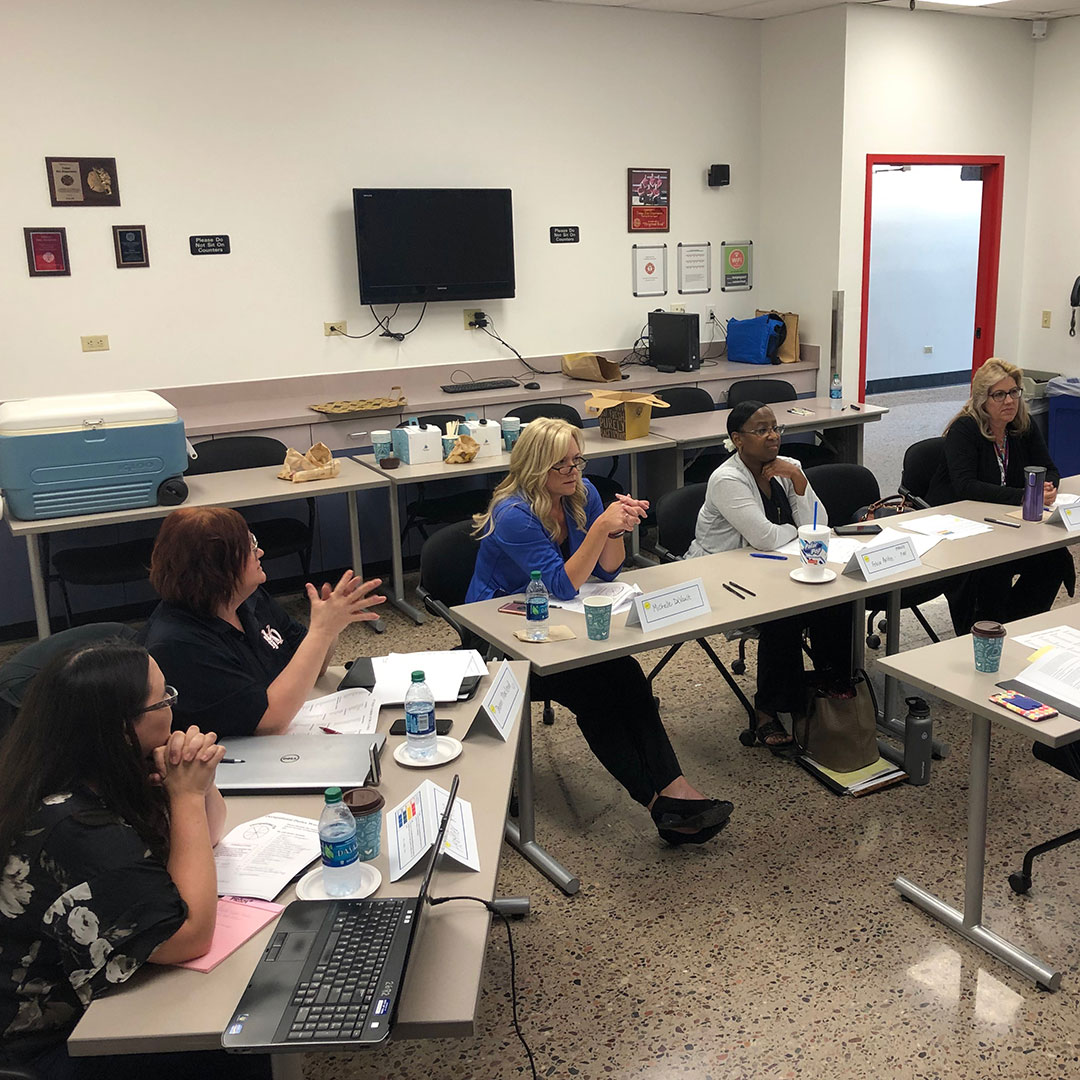
When APCO creates a new standard or revises an existing one, the working groups are the creative minds behind the standard. Groups include about 15 volunteers with training, operations or technical backgrounds who research and write a standard together. The following working groups are currently seeking members:
- Emergency Communications Common Disposition Codes For Data Exchange
- Minimum Operational Standards for the use of TTY/TDD or Similar Device in the ECC
- Core Competencies and Minimum Training Standards for Public Safety Communications Instructor
- Core Competencies and Minimum Training Standards for Public Safety Communications Quality Assurance Evaluators
- Minimum Technical Requirements for Remote Support to Emergency Communications Center Operations.
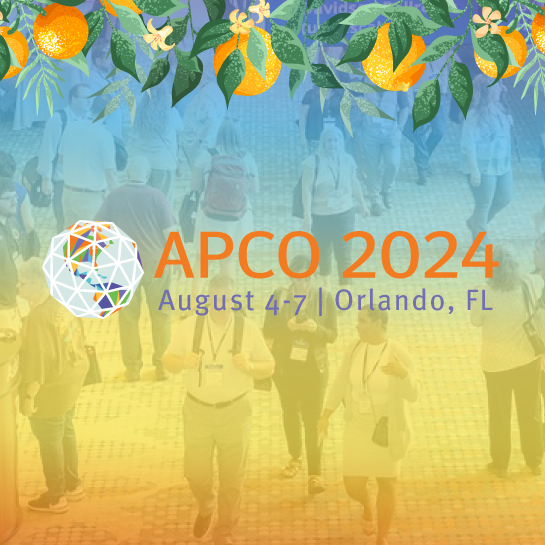
APCO 2024 Registration Is Open
Registration is open! Join us in Orlando from August 4-7 for four days of educational sessions, committee meetings and special events, paired with two full days of exhibits.
Learn the Fundamentals of NG9-1-1
Fairfax, VA – June 27 – 28
Who Should Attend: Command staff, supervisors, technologists, telecommunicators, and other ECC operations persons.
This comprehensive course provides an in-depth exploration of technologies for the future of emergency communication. The curriculum covers pivotal concepts such as the role of interoperability in the success of NG9-1-1, plus discussions on reliability, redundancy, cybersecurity, and the transformative potential of next-generation technologies for emergency communications centers.

“The amount of clarification and information shared in this class helped me expand my knowledge and taught me quite a few new things”
~ Mary-Kathryn M.
Webinar: Improving 9-1-1 Staff Performance & Retention: Why Targeted Quality Assurance is Essential
May 22, 2024 | 1:00 pm — 2:00 pm
Worth 1 CDE. Free for APCO members
Turnover is straining 9-1-1 centers everywhere. There are many contributing factors, including mandatory overtime, stress and burnout, and low pay and long hours. Telecommunicators also need coaching and timely feedback to thrive on the job.



I think the best part was just being around a huge group of folks in 9-1-1 that weren’t working. I have never had a chance to just sit and talk shop without being in my dispatch center.
Keeping You Up to Date
APCO is your source for public safety communications news that affects you, your job and your community.
APCO Seeks Working Group Members for the Revision of a Training Standard
APCO International has filed a Project Initiation with the American National Standards Institute (ANSI) to revise APCO American National Standard (ANS) Core Competencies and Minimum Training Standards for Emergency Communications Center Supervisor.
APCO Seeks Working Group Members for the Revision of an Operational Standard
APCO International has filed a Project Initiation with the American National Standards Institute (ANSI) to revise APCO American National Standard (ANS) Best Practices for ECCs When Processing Vehicle Telematics Calls from Telematics Service Providers.
APCO Seeks Working Group Members for the Revision of an Operational Standard
APCO International has filed a Project Initiation with the American National Standards Institute (ANSI) to revise APCO American National Standard (ANS) Core Competencies, Operational Factors, and Training for Next Generation Technologies in the Emergency Communications Center (ECC).
APCO International Announces Meghan Architect as Chief of Staff
Alexandria, VA – APCO International announced that Meghan Architect, formerly APCO’s Chief Marketing Officer and Interim Chief of Staff, has been selected to officially fill the position of Chief of Staff. Since joining APCO International in 2012 as the Marketing Manager, Ms. Architect has steadily risen through the ranks, assuming the role of Director of […]
Teammates in Action: Lesly Hernandez, Metro Nashville Department of Emergency Communications
On December 26, 2023, 9-1-1 Operator, Lesly Hernandez of the Metro Nashville Department of Emergency Communications answered a 9-1-1 call for an 88-year-old female who was suffering from chest pain and shortness of breath.
Thank You to Our Partners
Corporate Partner Spotlight

Motorola Solutions is a global leader in mission-critical communications and analytics, ushering in a new era in public safety and security. Our technology platforms in mission-critical communications, command center software and video security & analytics, bolstered by managed & support services, make cities safer and help communities and businesses thrive.